
An Adani Group company has agreed to pay US authorities US$275mn to settle allegations of sanctions violations, after it purchased fuel that turned out to be of Iranian origin from a trader based in Dubai.
Adani Enterprises Limited, an India-listed holding company owned byAhmedabad-headquartered conglomerate Adani Group, purchased 35 cargoes of LPG from the trader between November 2023 and June 2025, the US Office of Foreign Assets Control (OFAC) said.
The Dubai trader, which is not named by OFAC, presented itself as “a reputable middleman” supplying discounted LPG from Oman and Iraq, the authority said in a May 18 enforcement notice.
“In reality, the company served as a conduit for illicit Iranian supply to enter the market,” OFAC said. Though the trader was not itself sanctioned, the authority said one of its affiliates had been designated in 2023 for purchasing fuel from an Iranian petrochemical conglomerate.
As a result of Adani’s purchases, US financial institutions processed payments totalling more than US$192mn, representing a breach of the country’s Iranian sanctions framework, OFAC said.
The enforcement notice said that from the start of its relationship with the Dubai trader, Adani overlooked several red flags that cast doubt on the true origin of the cargo.
Even before shipments started, Adani employees had received allegations that the supplier was shipping disguised Iranian-origin LPG, it said.
The price of the cargoes alone should have given cause for concern, it added. The Dubai supplier was charging well below the predominant market rate, and Iran was the only likely source of significantly discounted LPG anywhere in the Middle East.
For the first shipment, the certificate of origin said the cargo was loaded in Sohar, Oman, even though the port had no facilities for exporting fully refrigerated LPG at that time.
At the same time, there were indications that transaction documents were falsified, including illogical numbering of certificates, unexplained delays in post-shipment issuance, and the use of outdated templates, OFAC said.
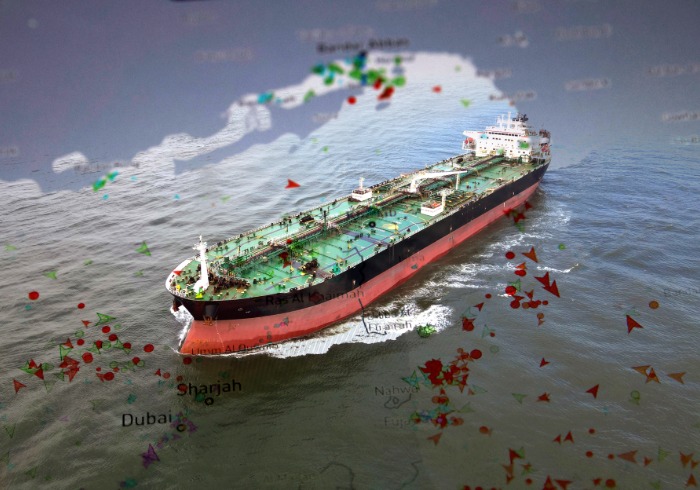
Throughout the shipments, vessels carrying the cargoes “routinely engaged in suspicious behaviour”, including manipulating location signals, making illogical movements or port calls, and frequently switching name, ownership or flag state.
On at least one occasion, payments to the Dubai trader were halted by its bank due to “internal policy”. The trader instructed Adani to make payment to an account at a different Dubai bank, and to contact specific employees at the lender.
Adani did not take sufficient steps to investigate these red flags and “appears to have believed that the allegations originated from competitors seeking to prevent it from entering the LPG market”, OFAC said.
The company eventually suspended all LPG imports in June 2025, after a Wall Street Journal article uncovered suspicious vessel activity associated with the shipments and reported US authorities had launched an investigation, claims the company denied at the time.
Adani did not comment when contacted by GTR.
A landmark enforcement action
There are several factors that “set this settlement apart” from previous OFAC actions, said David Tannenbaum, director of maritime intelligence provider Blackstone Compliance Services – not least the amount Adani has agreed to pay.
“A penalty of this size has been a long time coming for the oil and gas industry, and the fact that it targeted one of India’s wealthiest conglomerates sets the tone that nobody is above the law,” he said.
Tannenbaum noted that Adani’s purchases did not directly involve any sanctioned entities or vessels, including the Dubai trader. This shows that if companies are trading energy from a high-risk area, then “name screening isn’t enough” in OFAC’s view, he said.
The enforcement action was also taken on the basis of recklessness by Adani, rather than a wilful breach of sanctions, which Tannenbaum said is relatively unusual for major OFAC penalties.
“This sets a good message that you can’t just bury your head in the sand and ignore the risks associated with a transaction,” he said.
Tannenbaum also noted that OFAC concluded its investigation within a year, which is “basically warp speed for the agency”.
This likely reflects Adani’s cooperation, that shipments were traced directly to the terminal, and that Iran’s oil exports are a priority for the US administration, he said, adding that further penalties could follow for other institutions involved in the transactions.
OFAC emphasised that the case shows the “risks and potential costs that non-US companies are exposed to” when using the country’s financial system to process energy-related payments from high-risk areas.
The enforcement notice specified that buyers of energy products and their financial institutions “should carefully review transaction details for indications that they are dealing in products or cargoes of Iranian origin”.
Importers should corroborate the origin of cargoes, including by verifying that certificates of origin are authentic, particularly if they were issued in countries where there is a higher risk of falsification, including Iraq, Oman and the UAE, it said.