

SMBC has launched an AI-based platform to automate receivables and payables reconciliation and reporting for corporate clients, GTR can reveal. The service is available alongside working capital financing or on a standalone basis.
Initially available in the Americas, the platform gives clients a web interface connected to their enterprise resource planning (ERP) systems and supports operations across multiple entities, regions and banks.
It draws data on outstanding invoices, received payments and overdue amounts to automate reconciliation, manage exceptions and analyse receivables, payables and overall working capital performance.
The platform uses white-labelled technology from a provider SMBC is not currently naming. A product name has also yet to be confirmed.
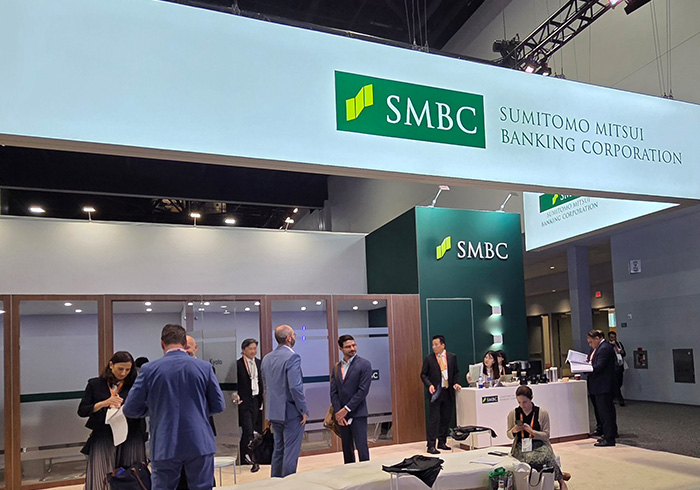
Speaking to GTR at Sibos in Miami, Priyamvada Singh, SMBC’s Americas co-head of global trade finance, said AI helps match payments to invoices when amounts differ or information is missing, reducing the need for manual reconciliation.
The service also addresses the reporting burden for companies using receivables financing, which typically have to provide banks with collections data and distinguish financed invoices from those outside the programme.
Clients continue to submit receivables for financing through their existing electronic channel, while the platform pulls the data needed for subsequent reconciliation directly from their ERP systems.
Singh said the offering combines receivables management, typically provided as a cash management service, with trade financing.
“We’re offering it together, so it’s a true cash and trade solution,” she said.
Faster reconciliation helps clients manage their working capital more efficiently, while giving SMBC greater visibility over their receivables and payables and the entire cash conversion cycle. The bank said this allows it to offer more tailored insights into working capital optimisation.
For receivables financing, Singh said: “It’s giving you almost dynamic insight into how the clients’ receivables are being collected.”
This visibility provides the bank with a risk management tool, reducing its reliance on periodic reconciliation reports and audits, she said.
The service has no minimum transaction volume threshold, although companies with more complex receivables portfolios are expected to benefit most. Clients can also use it without taking financing, an option Singh said has already attracted interest.
SMBC intends to expand the offering to other regions, including Asia and Europe, with expansion dependent partly on the scale achieved in the Americas. No rollout timetable has been confirmed.