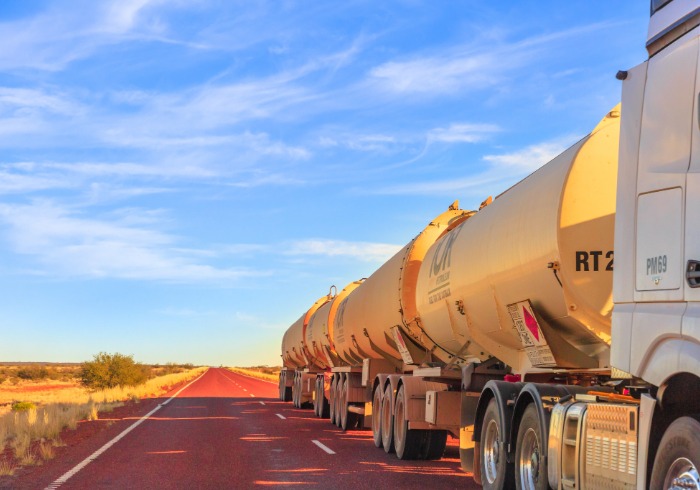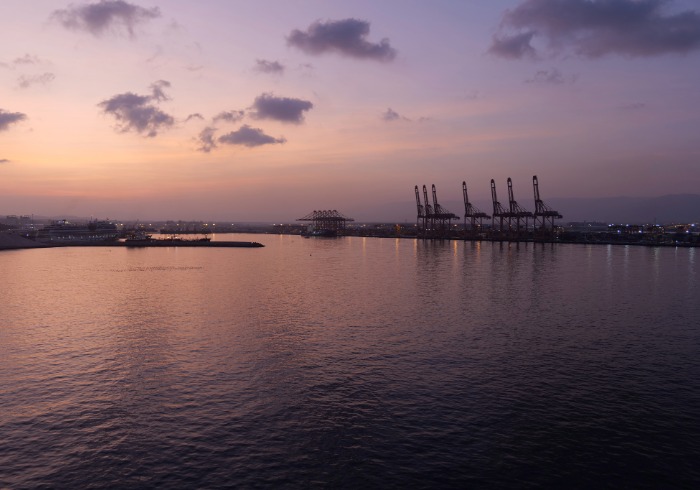


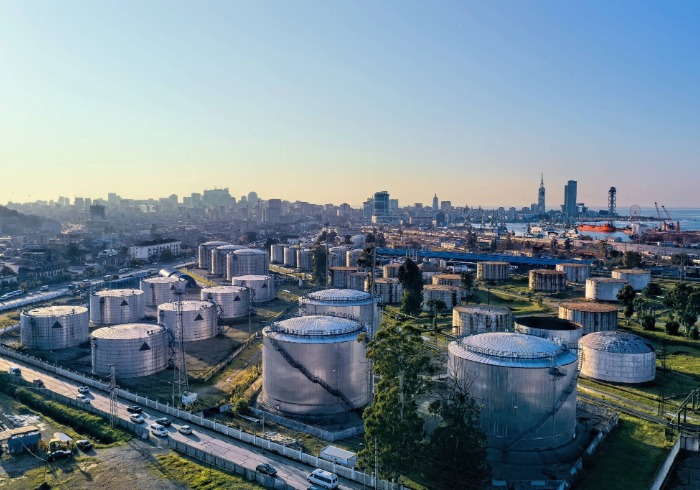
Western nations are continuing to import fuel produced from Russian crude oil, researchers have said, prompting renewed calls to close a so-called ‘refining loophole’ in existing sanctions regimes.
G7-wide sanctions generally prohibit traders, banks and insurers from facilitating imports of Russian oil products, part of efforts to starve the country of revenue following its full-scale invasion of Ukraine in February 2022.
However, researchers have long warned that the Kremlin is exploiting a “loophole” in those regimes by exporting crude oil to refineries in non-sanctioned countries, which then sell petroleum products to western buyers.
In the 12 months since February last year, G7+ nations – the seven member states plus Australia, the EU, New Zealand, Norway and Switzerland – imported fuel totalling €14.7bn from refineries that use Russian crude, according to a report by the Centre for Research on Energy and Clean Air (CREA).
The report, published on February 24, estimated that around half of that amount was likely refined directly from Russian crude.
An EU-wide ban on fuel produced from Russian origin has been in effect since January 21, and the report found flows last month were almost 50% lower year-on-year.
However, CREA warned that other markets in the G7+ bloc remain exposed.
Australia imported €3.4bn of oil products from refineries using Russian crude over the last year, while the equivalent figure for the US totalled €1.8bn, it found.
CREA has previously singled out refineries in India and Turkey that are both heavy importers of Russian crude and exporters to western markets.
Although authorities have since targeted imports from India – via sanctions in Europe and tariffs in the US – exports of fuel from terminals in Turkey and other nations “remain a cause for concern”, CREA said.
It found that three Turkish ports exported refined oil products worth €3.3bn to EU member states over the last year. Those ports sourced over 80% of their imports from Russia, totalling €7.5bn.
Three-quarters of the fuel delivered to the EU were to Greece, though the report also noted shipments to Cyprus, Bulgaria, Malta and Spain.
Georgia has also emerged “as a suspicious backdoor for Russian oil products”, with its Batumi port supplying significant volumes of diesel to the EU and UK despite sourcing the vast majority of its supply from Russia, CREA said.
And in some cases, a “lack of coordination among Ukraine’s allies on sanctions against this trade has seen new refineries cropping up, increasing their imports of Russian crude, while also increasing supplies to G7+ countries”, the report said.
For example, Brunei’s Hengyi refinery has ramped up imports from Russia over the past year while exporting 98% of its products to Australia.
Isaac Levi, co-author of the report and team lead for Europe-Russia policy at CREA, argued that addressing the discrepancies between different G7 regimes “would strengthen sanctions and reduce the revenues financing Russia’s invasion”.
“CREA calls on policymakers in sanctioning jurisdictions to close remaining loopholes in the sanctions and constrain the Kremlin’s war chest,” the report said.
The UK announced in October it would follow the EU in introducing a ban on fuel produced from Russian crude, although details have not yet been published. A bipartisan bill in the US was referred to a House of Representatives committee last month but has made little progress since it was initially introduced in 2023.
CREA’s warnings come amid a slump in Russia’s revenue from oil and gas exports.
Although crude volumes have remained stable, the report said the country earned €85.5bn from these flows in the fourth year since the invasion, an 18% year-on-year decline.
The figures suggest escalating sanctions have forced steeper discounts on Russian crude exports, the think tank said.
Revenues from refined products dropped 27% year-on-year to just under €50bn, the lowest level since 2022, it added.