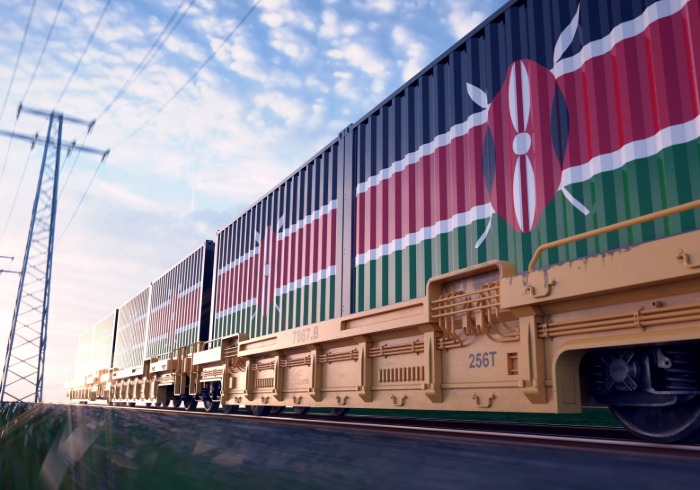



Africa’s trade finance gap has held above US$74bn annually in recent years as commercial banks continue to pull back from the continent, according to a new report from the African Development Bank (AfDB).
The AfDB’s flagship report, published today, estimates the continent’s unmet demand for trade finance ranged between US$74bn and US$92bn in 2024, representing around 5.4% of Africa’s total merchandise trade.
The last AfDB survey, in 2019, showed that the average trade finance gap between 2011 and 2019 stood at US$92.3bn.
However, the multilateral institution warned that commercial banks have continued to retreat from the continent in recent years, intermediating just 23% of trade over 2020-24, down from 40% before the pandemic.
Banks’ rejection rates for trade finance applications also remained “significantly high, particularly for SMEs”, at 37% over the same period, the AfDB said. Average SME approval rates stood at just 63%, well below broader trade finance approval levels.
Despite that, the gap between demand and supply of trade finance across the continent declined by nearly 10% between 2019 and 2024, the African lender said, supported by “strong interventions from multilateral development banks, governments, export credit agencies and global banks”.
The AfDB estimated the trade finance gap could have exceeded US$100bn per year during that four-year period “without multilateral intervention”.
Development finance institutions facilitated about US$32bn in trade finance annually between 2020 and 2024, accounting for about 3% of Africa’s total merchandise trade on average over the period.
“These interventions were critical in sustaining trade flows,” AfDB’s report said, and “provided African banks with the resources necessary to improve their intermediation of trade finance on the continent after the [Covid] crisis”.
The multilateral bank has also warned that the recent geopolitical tensions in the Middle East and their effects on global trade and supply chains “could erase a decade of progress, potentially increasing the gap back to 2017 levels”.
Higher oil and fertiliser prices, increased freight and insurance costs, weaker currencies and tighter correspondent-bank risk appetite could widen the trade finance gap to US$86.6-US$102.6bn by 2027 under a moderate-to-severe scenario, which would involve prolonged Strait of Hormuz disruption, sharp local currency depreciation and contraction in international trade credit lines.
This would represent an increase of at least 17.7% above 2024 levels, AfDB said.
Despite the “challenging global environment, African financial institutions have remained resilient”, the development lender noted, highlighting “significant progress” in bank-intermediated intra-regional trade.
Intra-African trade accounted for 34% of total bank-intermediated trade between 2020 and 2024, representing an 89% increase from the 2011-2019 period.
Africa’s regional commercial banks are also playing a more significant role as correspondent banks servicing issuing banks in Africa, AfDB noted.
“Six out of the top seven confirming banks are African, reflecting the increasing role these banks are playing in helping to fill the trade finance gap, especially during periods of crises, such as the Covid-19 pandemic.”
In the preceding surveys, only two African banks featured in the top 10 confirming banks.
Challenges and opportunities
Foreign exchange liquidity shortages have become the main obstacle for the trade finance industry in Africa, the report said, topping other key challenges such as correspondent banking limits and regulatory restrictions.
About 36% of banks cited it as the primary constraint to their trade finance growth between 2020 and 2024, compared with 18% in the 2015-2019 period.
The adoption of digital trade finance solutions by banks also remains low due to high implementation costs and “inadequate” technological infrastructure, with only 28% of the banks surveyed having adopted digital tools or platforms for their trade finance operations.
AfDB said digital trade finance solutions were expected to reduce transaction costs, enhance financial inclusion and facilitate integration into regional initiatives – such as the Pan-African Payment and Settlement System – “thereby boosting intra-African trade and prioritising local currency financing”.
Meanwhile, more than half of the responding banks have incorporated environmental sustainability into their trade finance operations.
On average, about 19% of banks considered their trade finance portfolios “green”, with 44% having adopted a sustainability policy or framework, 76% of which were introduced within the past five years.
However, around half still believed that adopting sustainability measures posed a significant barrier to their trade finance operations.
“Looking ahead, Africa’s estimated US$74bn trade finance gap represents both a challenge and an opportunity,” AfDB said.
“Closing this gap, particularly amid ongoing trade-policy uncertainty and geopolitical tensions, will require stronger coordination among DFIs, greater engagement with commercial banks, and policy reforms that enhance financial inclusion and transparency.”
AfDB’s “Trade Finance Supply in Africa: Post-Covid Trends and Emerging Opportunities” report was launched as part of the bank’s annual meetings in Brazzaville this week.