

Supply chains and commodity production in Latin America are at risk of being disrupted by major El Niño weather impacts as they continue into 2027, a report has found.
Exports such as Central American coffee and maize, Peruvian copper and Southern Cone soybeans could be particularly vulnerable, according to research from global risk data company Verisk Maplecroft.
El Niño is a weather pattern that develops in the Pacific Ocean and has global effects, often causing heavy rainfall in parts of South America, while other parts of the world, such as regions in Africa, can experience drought.
This year, temperatures recorded in the Pacific Ocean are already higher than the previous record set in 2015, and the phenomenon is not set to peak until December.
Verisk Maplecroft said Latin America could potentially face a similar situation to the 1997/98 El Niño, which led to “an estimated US$5.7tn in global economic losses”.
According to its hazard vulnerability index, the impacts will be “unevenly distributed” and could trigger dangers such as drought in Central America and flooding in Peru, Ecuador and Brazil.
The index assesses how well countries can absorb climate disruption by comparing factors such as annual economic loss from natural hazards, economic fragility, quality of infrastructure and government effectiveness.
Central America and the Andean region will be the most vulnerable, the research found, with Venezuela, Bolivia and Argentina especially at risk.
Other impacts include lower water levels in the Panama Canal, which could increase shipping costs and journey times for vessels.
Verisk Maplecroft flagged that countries with weak governance typically have amplified disruption risks, because institutional strength is linked to the enforcement of safety regulations, support for communities and infrastructure investment.
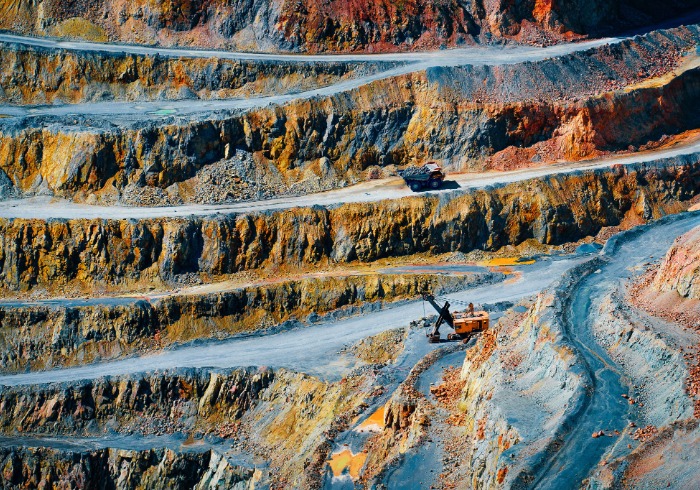
Peru, a major producer of copper, was badly affected by the 2017 El Niño, but the report said that most of the repair work was still unfinished, meaning the effects of this year’s will be worse.
“Mining is particularly sensitive to variations in rainfall: too little restricts output and too much threatens mines and access routes with floods and landslides,” it said.
“Copper prices hit a record US$6.50/lb earlier this year and any impact on supply could trigger even higher prices.”
Mariano Machado, principal Americas analyst at Verisk Maplecroft, said: “This El Niño is shaping up as a major test for governments, businesses and investors across Latin America.
“The resilience of critical logistics, fisheries and agricultural exports, mining operations and energy systems will be severely tested.”
The report also suggested that the Southern Cone, which includes Argentina, Chile and Uruguay, could fare better than other regions, thanks to more resilient infrastructure and better access to emergency resources.
But it added that the region could see localised disruptions, including greater rainfall in parts of Brazil, which could affect soybean and corn exports, and drought in northern and Amazonian regions.
Will Nichols, Verisk Maplecroft’s head of climate and resilience, added: “Widely varying El Niño impacts, paired with similarly differing levels of sectoral resilience across the region pose a significant near-term challenge for operators, supply chains, and governments.
“With stronger and more volatile El Niño events and more frequent and severe climate-related events increasingly likely in the coming decades, identifying exposure and understanding how and where the potential impacts feed into the broader risk landscape is going to be vital for resilience strategies and planning.”
In June, Verisk Maplecroft warned that trade resilience had deteriorated in 157 countries over the last five years, with the world’s busiest logistics hubs increasingly vulnerable to shocks.