
The impact of the Middle East conflict on African countries will be significant but could also open up opportunities for the continent, according to the Sub-Saharan head of logistics giant DHL.
The blockade of the Strait of Hormuz, which is significantly affecting trade flows of fuel and fertiliser that many agrifoods-producing African nations rely on, will result in “unavoidable costs” for the continent’s small businesses, said Hennie Heymans, CEO of DHL Express, Sub-Saharan Africa.
Heymans, who also leads the company’s GoTrade social impact programme designed to help SMEs grow their exports, said he had not yet seen “actual evidence of the financial impact” of the conflict on small African exporters, but that he expected to “have a better view regionally” in the near future.
“Generally, you start seeing a credit crunch on SMEs anything from six to eight weeks in,” he told GTR. “It is my absolute hope that financial institutions will apply the lessons learned during Covid and that there’s a little understanding that this is not self-inflicted; these are factors and circumstances outside the control of these SMEs.”
A report by the African Development Bank and the United Nations Development Programme earlier this month warned that disruptions linked to Gulf energy supplies are limiting access to key fertilisers during the critical March-May planting season, which will “affect agricultural production, compounding risks of crisis and emergency levels of food insecurity”.
As many as 29 currencies in Africa have weakened since the start of the US-Iran-Israel conflict, the report said.
The African Export-Import Bank (Afreximbank) has recently launched a US$10bn trade-focused support programme for African economies exposed to the Middle East crisis, while the International Finance Corporation has vowed to back African SMEs amid concerns that the trade finance gap may grow.
“I also appreciate that financial institutions may face risk, for example, for fresh produce that has been sitting somewhere and because of delays has ended up in an unusable format,” Heymans said, adding it was difficult to know the full extent across the supply chain just yet.
Fuel availability across African nations is also varied, he noted. For example, South Africa has “a better buffer than other countries” but Ethiopia faces a “far shorter window of fuel availability and perhaps a bigger crisis”.
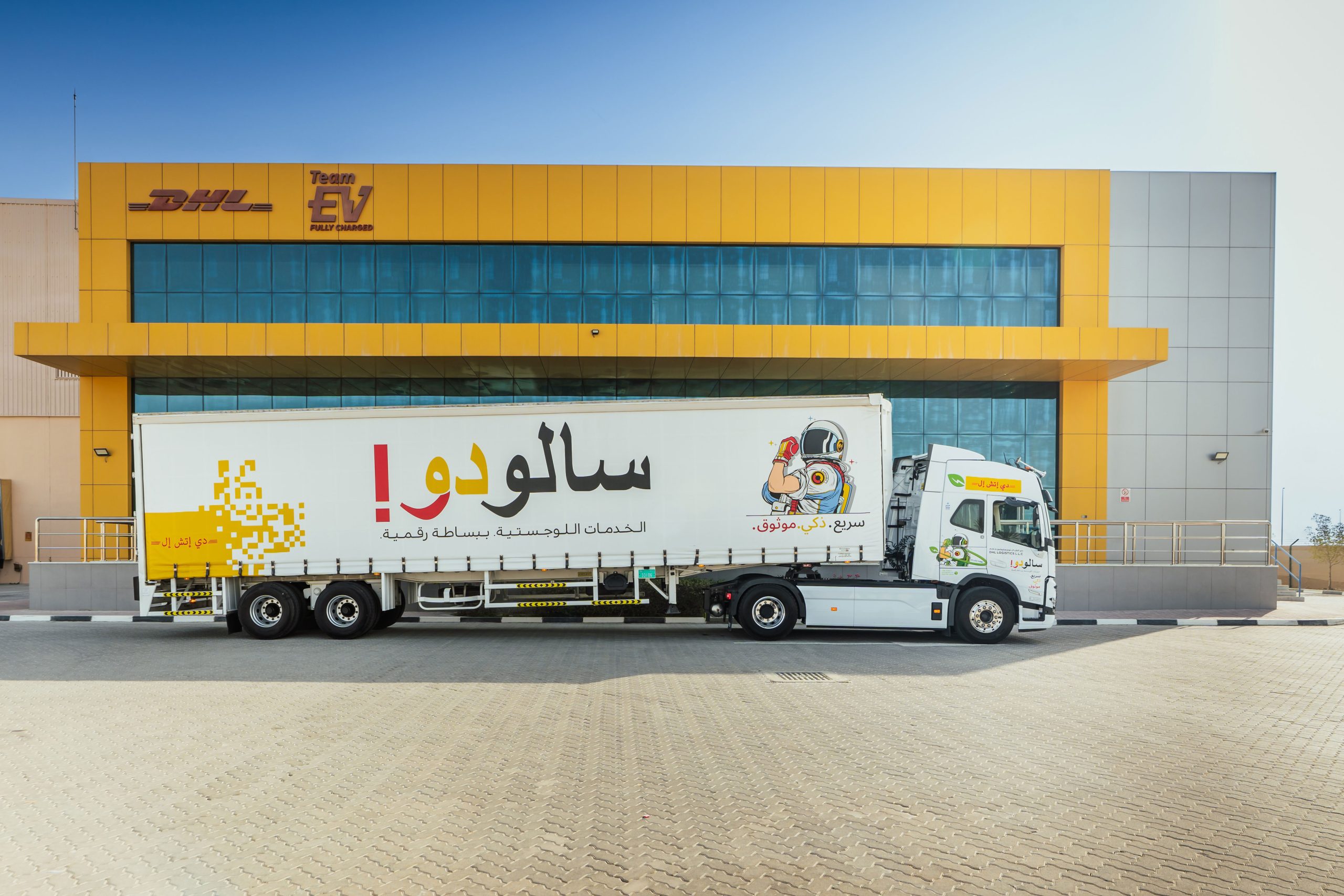
The DHL regional CEO confirmed the company is seeing an increase in transit times “because the operational availability of airports in the Middle East is changing” and due to an uptick in ships needing to stop at harbours such as Cape Town.
The logistics provider is also preparing for a potential backlog of ships across key trading routes and ports if the Strait of Hormuz blockade is lifted.
“We’ve got some contingency plans that we fall back on, but because of the volatility, it is a little difficult to plan for anything more than 24 hours,” he said. “Multimodal solutions are becoming a lot more real than what they might have been in the past.”
Opportunities for intra-trade
Despite the widespread disruption, Heymans argued that the current geopolitical landscape also provides an opportunity for African countries to trade more among each other and become increasingly self-reliant.
“It’s a great opportunity for Africa to look inward,” he said. “Nigeria has suddenly elevated its role on the African continent in terms of the energy sector and now fertiliser production. So as much as there’s uncertainty and as much as we see a recalibration of macroeconomics, that brings opportunities.”
Heymans said the global disruption has “hardened our resolve to continue to invest in Sub-Saharan Africa”. DHL Group announced a €300mn investment commitment in Africa at the end of last year.
“It actually makes an even better case because from a geo-positioning point of view, Africa is incredibly well positioned to become an interim trans-shipment hub.”
The conflict was also a “wake-up call” to accelerate the development of the African Continental Free Trade Area and to look towards China as a key growing trade partner, he added.
“It is my hope that the trade wars, the withdrawal of aid and this unfortunate war that we see playing out make us as a continent more resolved and more focused to become more resilient.
“I hope that will motivate governments in equal portions to make sure we become more attractive from an FDI perspective and a lot easier to do business with,” Heymans said.