UK Export Finance (UKEF) has backed a €192.9mn loan to finance the first phase of a key agricultural project in Uganda set to boost the country’s economy.
The UK export credit agency and the Ministry of Finance of Uganda signed the deal on 12 December, GTR can reveal, with Citi acting as the sole lender.
UKEF’s loan covered 95% of the contract value, with a 13.5-year tenor, while the remaining 5% was provided by the Ugandan government.
The financing was split into a €107.2mn direct loan at the OECD’s 3.71% fixed rate and a €85.7mn covered loan on a floating-rate basis.
The floating rate portion of the loan was priced following a “fully transparent tender process” run by the sole ECA advisor, GKB Ventures, which was “heavily oversubscribed”, the consultancy firm said.
The investment forms part of a wider agri-modernisation programme by the Ugandan government and is set to enhance production, quality and standards for international market access across the sector.
This marks UKEF’s first loan supporting agricultural development in East Africa. The agency is still working on the final details of the financing, GTR understands.
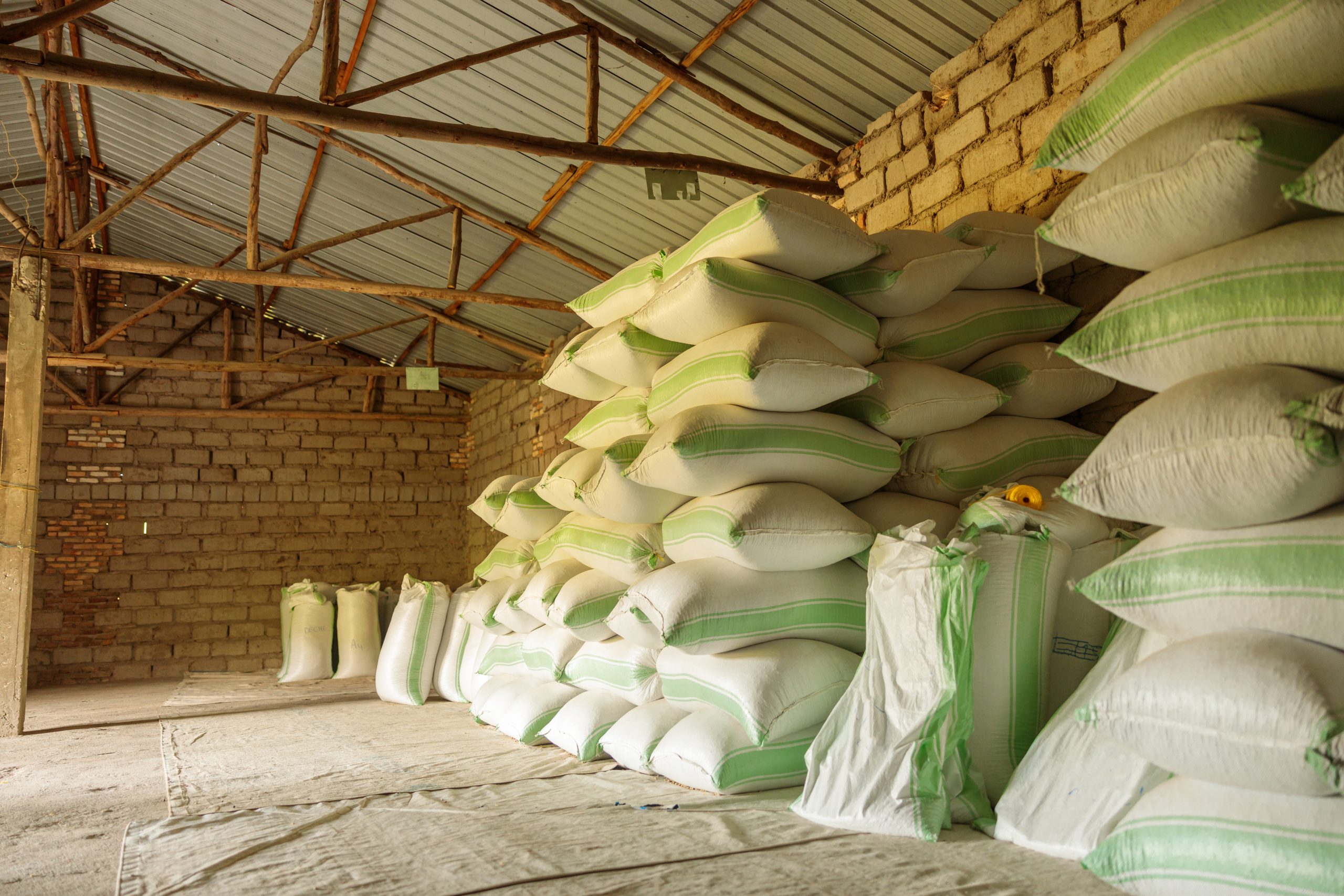
According to sources close to the deal, the cash will be used to deliver the first phase of an agricultural project aimed at improving processing, storage and sustainable practices for crops, livestock and fisheries throughout the country.
While Uganda’s agriculture sector accounts for about a quarter of the country’s GDP, around 50% of food is lost in the first three months after the harvest due to “inadequate infrastructure, ineffective post-harvest management practices, inefficient processing techniques, and market barriers”, according to GKB.
Contractor NMS Infrastructure (NMSI) will lead on the construction of infrastructure to address the challenges in pre- and post-harvest handling, storage, processing and testing – such as agricultural sheds, cold stores and packhouses.
The company anticipates “being on the ground delivering firm works within the next quarter”, said managing director Matt Jordan.
“This is just the first phase of what we’re hoping is a much wider project across the whole of Uganda, with a view to the whole programme being rolled out within the next three years,” Jordan added.
NMSI has a track record of delivering primary infrastructure in rural communities in Sub-Saharan Africa, specifically across healthcare, housing and energy. The Uganda project will be the company’s first foray into the agriculture sector.
“Securing this project in Uganda is extremely pleasing given the importance that agriculture has for the overall economy of Uganda, and the impact the project will have on agricultural exports by improving sanitary and phyto-sanitary compliance and traceability, boosting access to regional and high-value markets like the UK and the EU,” Jordan said.
Gabriel Buck, managing director of GKB Ventures, said the project was “great for a whole host of reasons, not least that Uganda’s agricultural sector accounts for 40% of its export earnings, employs nearly 70% of the workforce and contributes around 24% of GDP”.
He added: “This is the first UKEF loan supporting agriculture in East Africa and we see this model being replicated further.
“Critical minerals are often talked about, but many miss the importance of critical agriculture – one has to remember that 65% of the remaining unutilised arable land in the world is in Africa”.
The consultancy’s co-managing director, Ed Harkins, said the debt management office of the Ugandan Ministry of Finance “is particularly focused on the issue of debt sustainability and ensuring overall total debt affordability”.
The GKB-led tender process allowed the Ugandan government to “ensure ‘best in market’ pricing”, which in turn contributed to the approval process for the project being fast-tracked.
“The use of the tender panel gave price transparency, the 95% loan-to-contract value and the level of OECD CIRR [commercial interest reference rate] assisted in the affordability, and as a total package, we are very pleased that this project got fast-tracked,” Harkins said.
Demand for ECA support in Sub-Saharan Africa has remained strong over the past year, industry experts said at GTR Africa London event last November, with agencies continuing to focus on expanding local currency facilities and longer tenor transactions to address the continent’s pressing need for infrastructure development.