
Raistone’s CEO has said the company is still looking to do business despite being caught up in the bankruptcy of First Brands, which previously accounted for as much as 80% of the working capital platform’s revenue.
New York-headquartered Raistone originated financing for First Brands for several years until the auto parts supplier filed for bankruptcy in late September, amid allegations of widespread receivables and inventory finance fraud and with outstanding debts topping US$11bn.
GTR revealed in October that Raistone previously made as much as 80% of its revenue from its business with First Brands, and laid off dozens of employees in the wake of the company’s collapse.
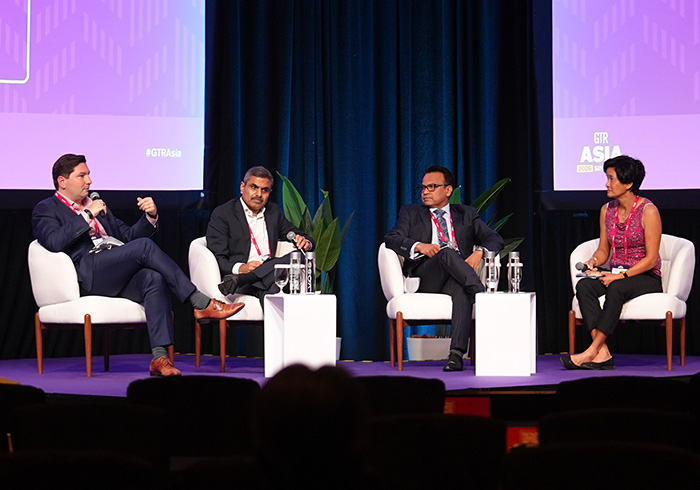
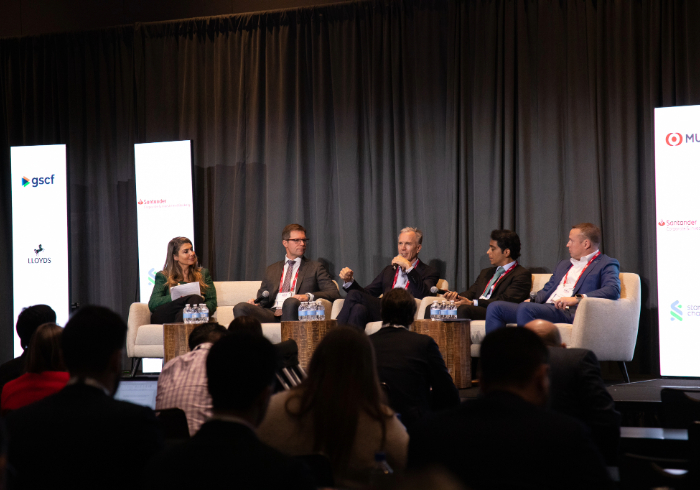
Speaking at today’s GTR US event in New York, Raistone’s Dave Skirzenski acknowledged the incident “was a revenue hit”.
“We adjusted staffing and cut out some of our micro-receivable financing business, which I don’t think anyone’s figured out how to make money on,” he said.
But “we’re still busy”, Skirzenski said.
Raistone, he said, was the servicer to “the largest institutional investors” in First Brands.
“That actually gave us a lot of respect in the market,” he said. “More people have come to us and said if they trust you, I should trust you.”
Asked whether Raistone still has support from funders and investors, Skirzenski said: “A few funds have put their trade finance strategy on pause, because real money was lost on First Brands.
“Everyone’s taking a look: should they be in trade finance, should they think of it differently?”
However, he said some were “super sophisticated”, hedging their investments with letters of credit, and “now they’re heroes”.
“There are different views across the market,” he said. “Post-Greensill, post-Stenn, post-Covid, people take a pause, but people still like the alpha of trade finance: short-term, non-committed.
“And frankly, a lot of people made a lot of money for many, many years on First Brands. They’re not all sad. They’re not all kicking themselves. This is the business if you do single-B risk.”
Raistone has said in court filings soon after First Brands’ bankruptcy that one of its special purpose financing entities was owed at least US$172mn in connection with receivables acquired from group companies.
First Brands owes at least a further US$684mn under Raistone’s supply chain finance arrangements, it said.
Raistone was also listed in court documents as having an undetermined claim related to factoring arrangements, while a sales manager at the company was listed as the creditor contact for six funders with exposure related to supply chain finance.
The interim chief executive of First Brands, appointed following the company’s bankruptcy, last month accused its founder and former CEO Patrick James of obtaining finance against non-existent or doctored invoices, as well as inventory that had already been transferred, in order to fund his “lavish lifestyle”.
Charles Moore of Alvarez & Marsal alleged in a November 3 court filing that James “improperly secured billions of dollars in financing for First Brands from third parties”.
Moore said a minimum of US$2.3bn in liabilities was incurred through receivables finance facilities “at least in significant part” based on forged invoices, and that a further US$2.3bn in debt arose from double-pledging inventory.
Moore also said that in many instances, amounts listed in invoices that had been factored “did not accurately reflect a customer’s order”, in some cases standing at 10 or more times higher than the actual amount.
Invoices were submitted for financing even though they did not appear in debtors’ books or records, and the same invoices were also presented to more than one third-party financier, he alleged. Each of these practices occurred “in many cases”, his statement said.