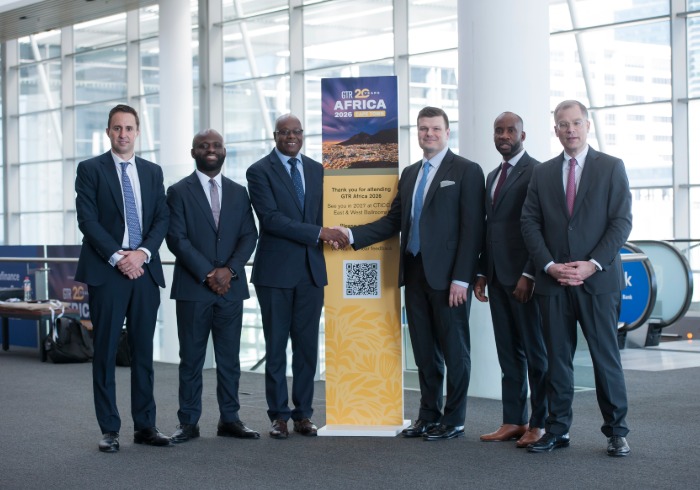


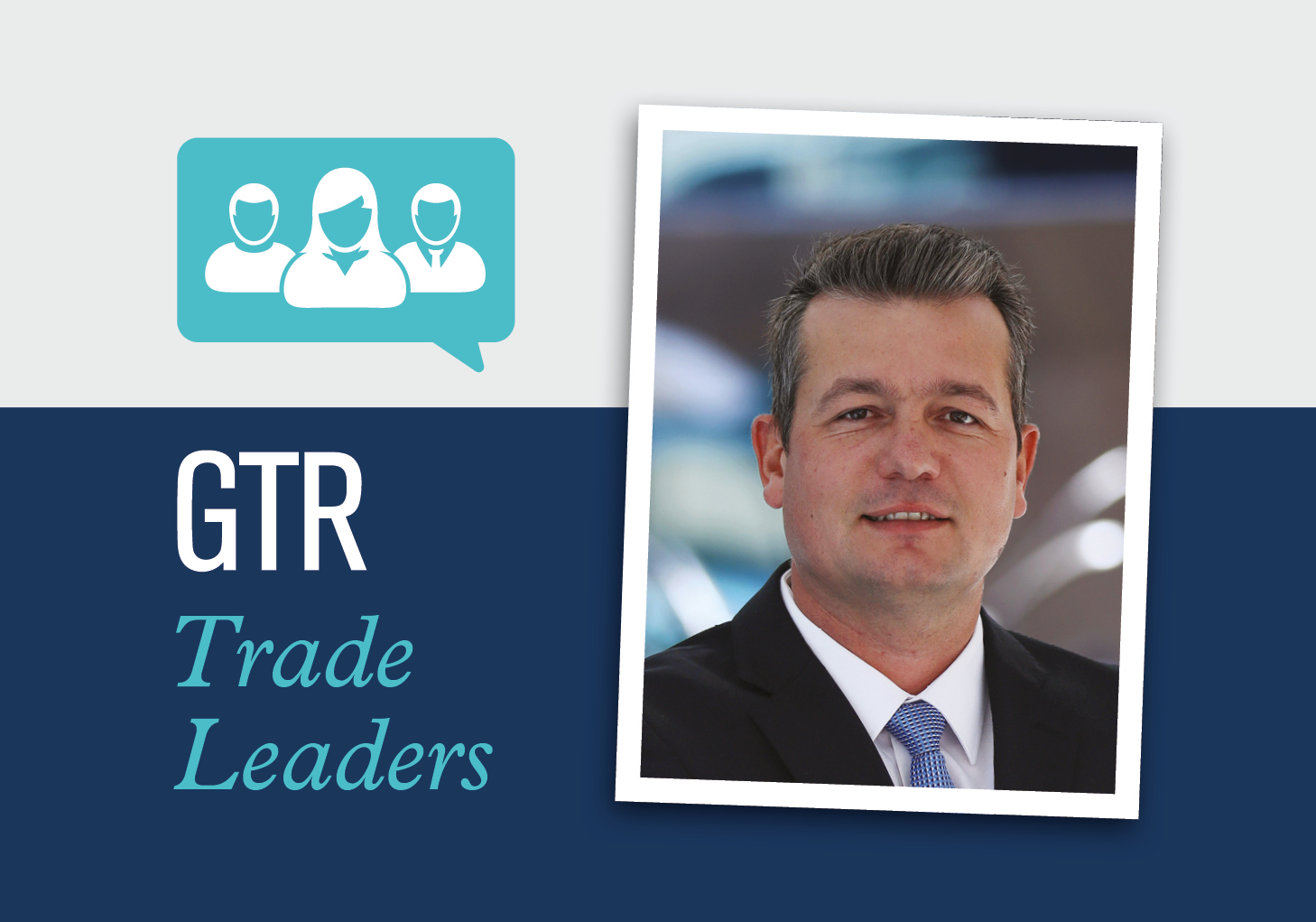
Louis du Plessis, head of trade and working capital at Rand Merchant Bank (RMB), has spent much of his career shaping the bank’s approach to trade across Africa’s complex and fast-evolving markets.
His remit recently expanded to include First National Bank (FNB)’s documentary trade business, bringing the FirstRand group’s trade and working capital capabilities closer together under a single leadership structure.
In this interview at GTR Africa in Cape Town, he reflects on how RMB is positioning itself as global banks pull back from parts of the continent, the growing importance of key trade corridors linking Africa with the rest of the world, and why a culture of experimentation remains central to the lender’s – and his own – approach.
GTR: What has your role expansion over the past year meant for the franchise?
du Plessis: Since November, I’ve taken on responsibility for FNB trade finance – the core documentary trade business – in addition to the trade and working capital side of RMB. That team is transitioning into my space, although they’ll keep the FNB brand.
It brings a new dynamic. Historically, RMB has been the international-facing trade business – engaging with other banks, insurers, export credit agencies and development finance institutions (DFIs) – while FNB has served the retail and commercial client base. Those clients are typically more local businesses, but they also need support for international trade.
Bringing those together allows us to think differently about how we show up in the international trade market, and also how we connect clients across the group.
GTR: How has your strategy evolved at a time when many international banks continue to pull back from Africa?
du Plessis: We haven’t fundamentally changed strategy, but we have definitely pivoted closer to our home markets.
We’ve anchored around the nine countries where we already have a presence, focusing on South Africa, Nigeria, Ghana, Zambia, Botswana and Mozambique, leveraging the position we have and targeting flows in our key corridors.
So markets like India, China, the US and the UK – where we have branches or rep offices – are important coverage hubs for flows into and out of Africa.
India in particular has been a strong story for us. As far as I know, we’re still the only South African bank with a presence there, and that business has gone from strength to strength. We see a lot of opportunity in that corridor.
Another dynamic is the Middle East, which has become a major global trading hub. We’re seeing clients set up in places like the UAE to facilitate flows from India, China and the US into Africa. We don’t have a presence there, but we’ve onboarded several clients from the region as these transit trades evolve.
We’re also increasingly supporting South African clients as they expand into the rest of the continent. That’s a fairly universal strategy, but we’ve definitely leaned into it more than we perhaps did before.
GTR: Supply chain finance is still relatively nascent in South Africa compared with other markets. What’s holding it back?
du Plessis: It depends on how you define supply chain finance. If we’re talking specifically about approved payables finance, adoption has been slower than I would’ve liked.
One challenge is that banks are technically taking the risk on the buyer, the anchor client, but the product should be solving for the supplier’s liquidity needs.
Another issue is that corporates tend to view supply chain finance as part of their existing credit limits. If they already have a facility basket with us and supply chain finance is one of those facilities, they see it as their limit. If they need capacity elsewhere, they may want to redeploy that limit.
Because of that dynamic, pricing is usually tied to the buyer’s credit risk. But onboarding suppliers is operationally expensive, so ideally the pricing should sit somewhere between the buyer’s and supplier’s cost of funding.
There’s also a structural element in South Africa to consider. Many corporates rely heavily on overdraft-style facilities, which are very liquid and flexible. You’re not really financing individual invoices or payments. As long as that liquidity is available and pricing is similar, the overdraft is often the easier option for the client.
So I think there’s a bit of a mindset shift required. Corporates need to see supply chain finance as a way of supporting their suppliers’ liquidity and strengthening the supply chain.
That said, on the more innovative side – receivables structures or off-balance sheet payables solutions – we’ve done some interesting transactions. Clients have told us they haven’t seen those structures elsewhere, so that’s an area where we’ve had good success.
GTR: RMB has a reputation as one of the more innovative trade banks in the market. How are you maintaining that edge?
du Plessis: That’s very much part of our DNA and how we want to position ourselves.
Innovation remains our edge. Often clients tell us they’ve been grappling with something for months and we’re able to find a solution – sometimes simply by adjusting the structure of a letter of credit or changing the documentation to better mitigate risk for all parties.
Another area where we’ve been active is sovereign trade finance. A couple of years ago we started focusing on short-term trade structures at the sovereign level, rather than governments relying purely on eurobonds or longer-term facilities. Other banks are now starting to move into that space as well.
Then, in South Africa, we’ve done quite a lot with off-balance sheet structures – particularly in sectors like automotive and consumer foods. Those structures add value to the client’s balance sheet, which means we can earn a premium for the service.
They do come with heavy operational lifting, so there’s always a balance to strike. But that’s definitely an area where we’ve done well and where we’ll continue to focus.
At the same time, we are working to streamline the business a bit more, along the lines of how international banks organise their product sets. The appointment of Kevin Holmes as head of product is helping drive that.
GTR: How would you describe your leadership style, particularly when innovation is such an important part of the culture?
du Plessis: The first thing is that I genuinely love trade. Goods are moving from one place to another – it’s tangible. In some other areas of banking, you might be working on an Excel spreadsheet for two years before something eventually gets built. In trade, things are happening all the time.
In terms of leadership, I think mistakes represent fertile soil for learning. If you want innovation in a team, you have to allow a bit of room for people to try things out. Our CEO often says that we take what we do seriously, but we don’t take ourselves too seriously. I subscribe to that.
I’m quite a calm person. When something goes wrong, I always focus on what is needed to deliver to the client first. So, take a step back, figure that out, take the lesson and move forward. I’m also not a fan of lengthy post-mortems – fix the issue and take the learning.
Another cornerstone for me is empowerment. FirstRand has always had an owner-manager culture, and I try to encourage that mindset in the team. People should treat the business as if they own it – they should be comfortable making decisions. It’s easy when you have a good team!
GTR: Looking ahead, what excites you most about the next phase of the bank’s trade franchise?
du Plessis: Integrating the FNB trade business is definitely a big opportunity.
Trade connects countries, but in our case it also connects clients. Historically, an FNB client might be trading with an RMB client and those relationships were handled separately. Now we can bring that together within one team.
RMB has also developed a range of global trade solutions through partnerships with DFIs, insurers and other institutions, and in the past, these mainly benefited the RMB franchise. Now we can start extending those capabilities into the FNB trade business as well.
More broadly, Africa itself remains the big opportunity. A lot of the next phase of growth will come from trade corridors as companies from India, China, the Middle East and elsewhere increase their engagement with the continent. Those flows create opportunities for us, whether that’s confirming letters of credit, financing transactions or supporting subsidiaries in the markets where we operate.
GTR: Finally, what do you enjoy outside of trade finance?
du Plessis: I’ve always been interested in entrepreneurship – the idea of identifying a problem or opportunity and building something around it. That mindset feeds quite naturally into innovation in banking as well.
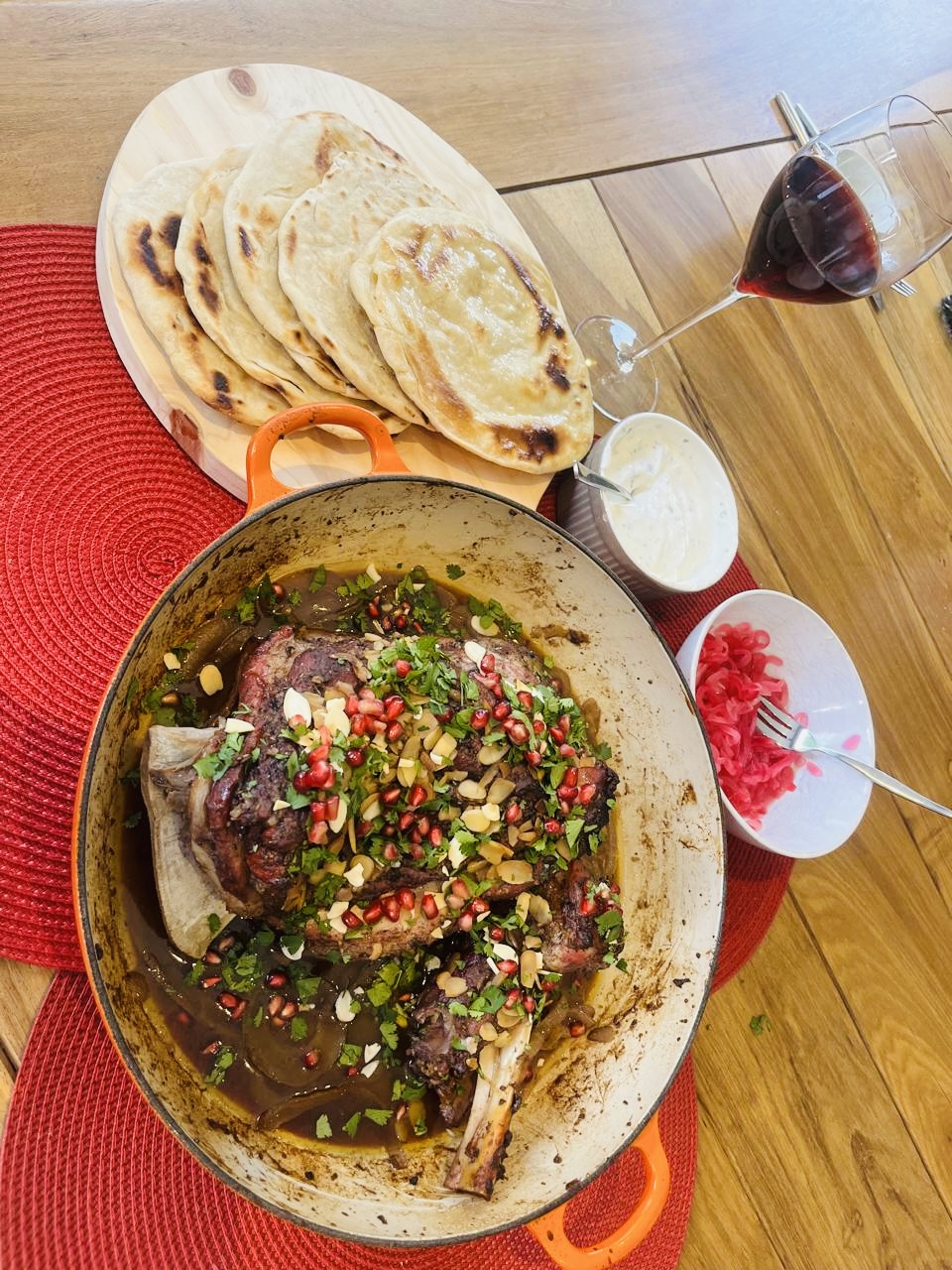
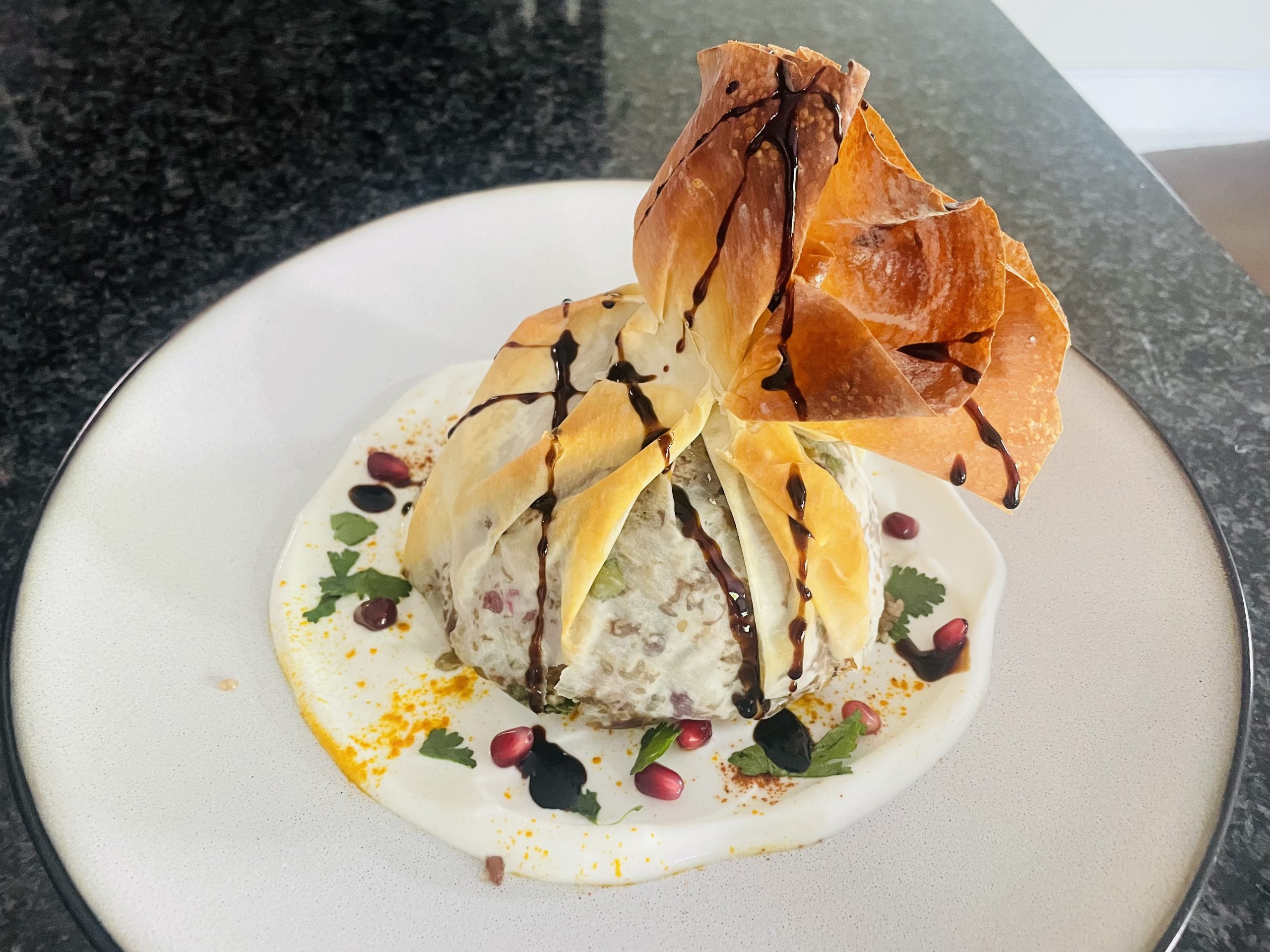
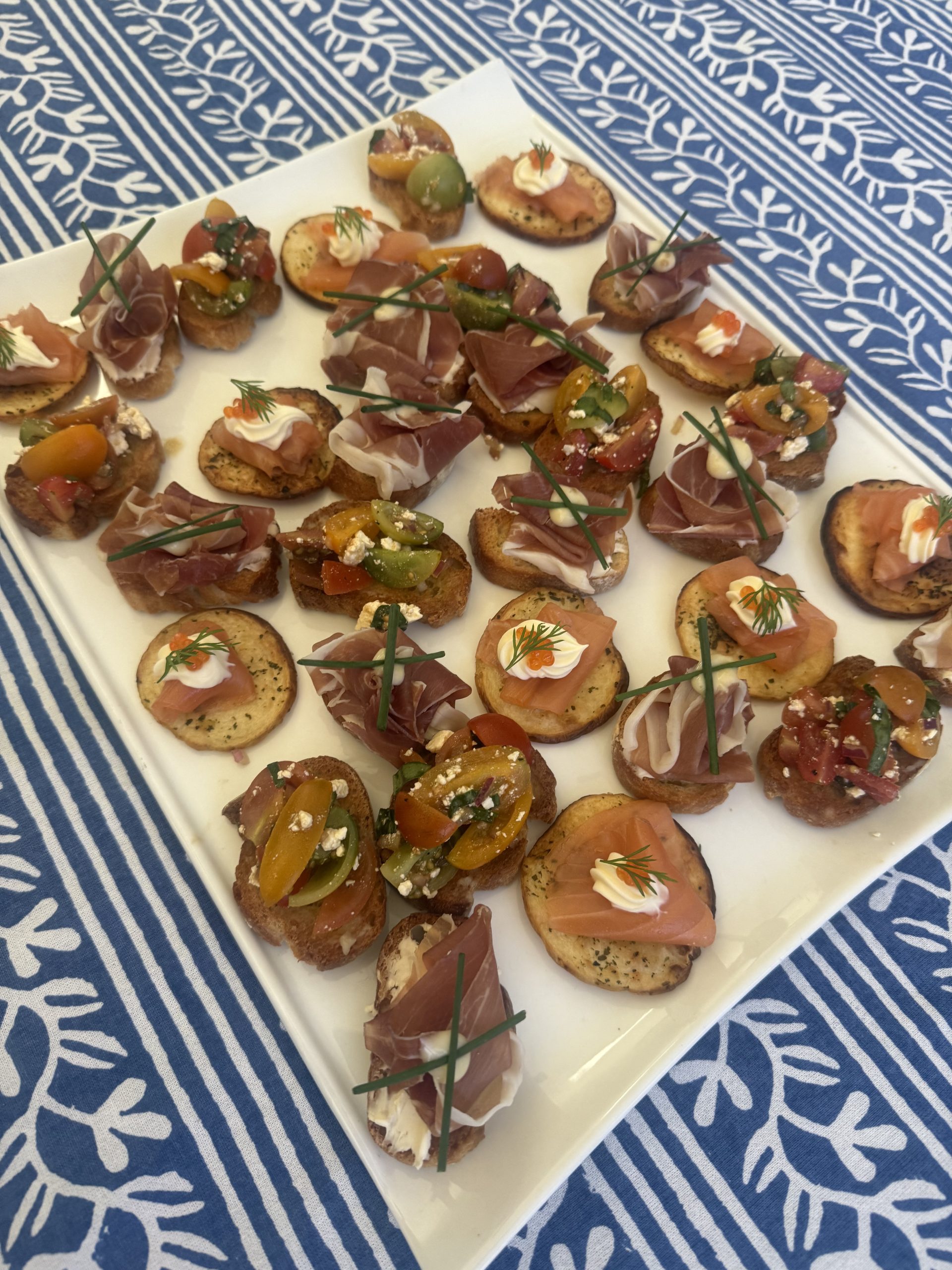
The other thing I really enjoy is cooking. I have an arrangement with my wife that I take over the kitchen on weekends, since the week tends to be quite busy. I use a Green Egg quite a bit, and when we go on holiday I go all in – planning the menu, buying the ingredients, getting the kids involved with the prep and doing the cooking.
And of course, it has to look good on the plate as well – otherwise the critics at home aren’t impressed.