



Citi has appointed three new regional heads of trade as part of a broader restructuring of its trade and working capital solutions leadership.
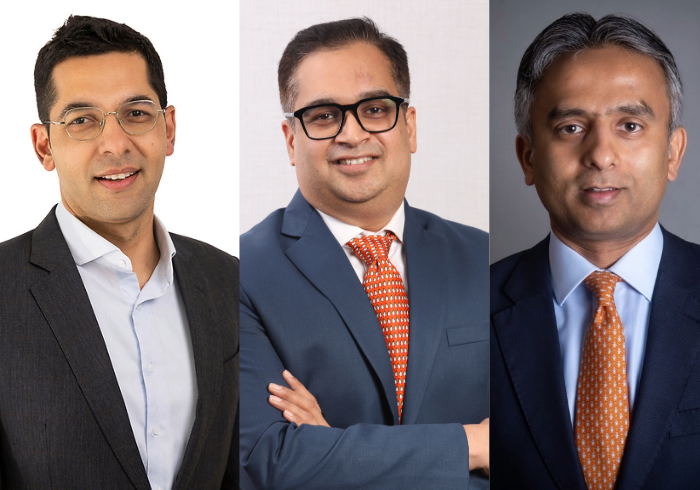
Manish Bajaj, a Citi veteran of more than 20 years, has been named head of trade for Japan, Asia North and Australia.
He joined Citi as a management associate in 2005 and has held diverse leadership roles across multiple businesses and geographies in India over the years, including as a senior banker in Mumbai. Most recently, he was head of corporate banking for the Philippines.
Kanika Thakur, head of services for the region, said that Bajaj “has spent his career building trusted relationships with clients and understanding what drives their businesses” and that his perspective “will be invaluable as we continue helping clients navigate a rapidly evolving trade environment”.
Meanwhile, Amir Khan has been appointed to the newly created regional role of head of trade for the Middle East and Africa. He moves from his position as city country officer and banking head for Qatar and cluster head for corporate banking across Qatar, Oman, Bahrain and Pakistan.
Khan joined Citi in Pakistan in 2007 after starting his career at ABN Amro, and has “extensive experience serving a diverse client base including public sector, financial institutions and corporates”, the lender said.
Rizwan Shaikh, head of services for the Middle East and Africa, pointed to “stronger trade links between Asia, Africa, Europe and the Gulf” and said Khan brings “extensive banking and client leadership experience” to the new role.
In South Asia, Shalin Shroff has been tasked with leading the region’s trade team, moving from his role as head of trade and working capital sales, where he led the sales organisation across Asean and the Indian subcontinent up until three months ago.
He too has spent nearly two decades at Citi, having first joined the bankin 2008 as a management associate in Mumbai.
Mridula Iyer, head of services for Asia South, said: “Few regions are seeing the scale of trade and supply chain activity that we see across India and Southeast Asia today – companies are investing, diversifying sourcing and expanding manufacturing and distribution networks, creating new demands for working capital and trade solutions.
“Shalin has been at the centre of many of these conversations with clients over the years. His deep understanding of the market, combined with his trade expertise and commercial leadership, makes him exceptionally well positioned to help our clients seize the opportunities ahead.”
All three hires report directly to Adoniro Cestari, Citi’s global head of trade and working capital solutions.
The recent moves are part of the bank’s push to grow across Asia, the Middle East and Africa, it said. Citi’s own research shows trade flows between North and East Asia and the Middle East and Africa “have grown by more than 50% in recent years”.
“We’re seeing heightened interdependency between Asian and Middle Eastern markets, particularly around energy flows through critical chokepoints such as the Strait of Hormuz,” the lender said in a statement.
“Geopolitical tensions and supply chain realignment are reshaping trade patterns and increasing demand for risk mitigation, working capital and trade finance solutions across the region, reflecting how companies are diversifying supply chains and investing in new markets.
“These shifts are creating significant opportunities for clients”, it added, and strengthening leadership across the three regions “positions Citi to support them as these corridors continue to expand”.
The transition of two of the three appointees from senior corporate banking leadership roles also reflects Citi’s focus on “bringing together product expertise and client coverage capabilities to deliver integrated solutions across the institutional wallet, including trade, treasury and working capital solutions”.