


The oil market faces tightening liquidity conditions as the Middle East conflict continues, Gunvor’s chief executive has warned, though traders and banks say financing has remained robust in the first two months of the crisis.
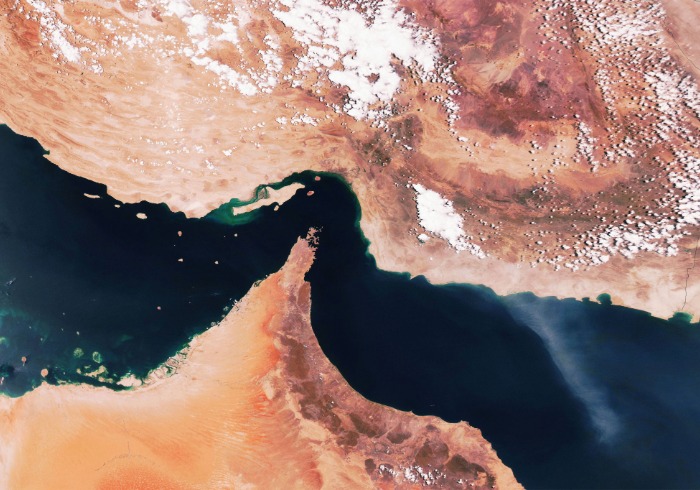
The drop in exports through the Strait of Hormuz and attacks on energy infrastructure in the region have dramatically reduced supply of crude oil and petroleum products, driving up prices and prompting commodity traders to seek additional sources of liquidity.
Gunvor chief executive Gary Pedersen said at the FT Global Commodities Summit in Lausanne that the trader has drawn on its experience of the energy market turmoil in 2022 to put itself “into a really good position, where we were able to de-risk the liquidity constraints”.
“Through the whole process, we’ve had plenty of liquidity, and the team has been able to continue to trade and participate in the markets all through without any constraints,” he said today.
“But I think we’re in a situation now where you’re running into some sort of liquidity issues on the financial side. The markets are getting a little bit broken right now.”
A major concern is that demand destruction – which has been particularly acute in Asia’s oil products market – has yet to offset the dramatic loss in supply. At the same time, existing inventories are being drained.
Frederic Lasserre, Gunvor’s global head of research and analysis, said at the same event that markets “are digging into stocks and we’re coming to an end”. He suggested that for oil products, “we’re going to be bottom tank” in a month’s time.
Vitol chief executive Russell Hardy said the loss in supply of crude is currently around three times greater than the drop in demand, and that “we’re borrowing product inventories to cover demand today – and they’ll need replacing”.
Saad Rahim, chief economist at Trafigura, suggested another month of conflict would represent a loss of 1.5 billion barrels of oil and products from the market.
“That’s what we lost during the peak of Covid,” he said. “I think people are still underestimating that loss of supply that then has to be met with some loss of demand somewhere else.”
So far, however, commodity finance lenders said liquidity has remained available to traders, enabling them to respond to the disruption and meet margin calls as prices rise.
“The trading houses have learned a lot of lessons in the previous shocks, as have the banks, so quickly worked in tandem to ensure adequate liquidity,” said Christine Dirringer, global head of trade and commodity finance at Rabobank.
She said support has taken “various forms”, giving examples of traders using syndicated facilities, accordion options and backstop lines. She added banks were proactive in asking borrowers what they need “to be prepared to weather crude prices of up to, guessing, US$150 [or] US$170”.
“The commodity finance universe has been very supportive,” Dirringer said. “Banks have stepped up… and are not particularly constrained, specifically in that environment.”
Muriel Schwab, founder of commodities consultancy Blue Oak, said there has been “a very steep learning curve” since the natural gas crisis in 2022, with both banks and traders “much more disciplined, anticipating issues”.
One such response has been the emergence of contingent revolving credit facilities (RCFs).
Trafigura was first to secure such a facility, announcing in March it had agreed a US$3bn credit line to supplement existing RCFs.
It said the facility was designed to provide a “liquidity buffer, if required during a period of heightened commodity price volatility”. Rivals Vitol and Gunvor have also pursued similar facilities, Bloomberg reported.
GTR understands that Trafigura has not yet drawn down on that facility.