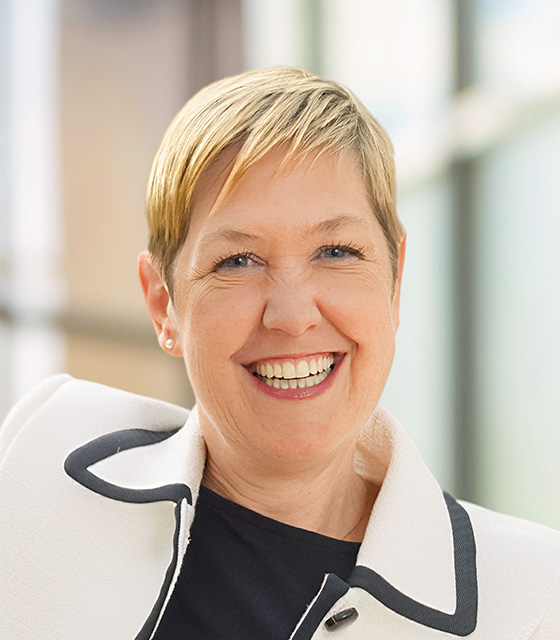

The tools to finance African trade already exist. What has been missing is the willingness to use them differently, and that is finally beginning to change, writes Oreoluwa Adeyemo, executive director of treasury coverage and growth at Starks Associates.
Here is a question worth sitting with: how does a continent with some of the world’s fastest-growing economies, youngest populations and most abundant natural resources still struggle to finance its own trade?
The standard answer is that Africa lacks capital. That foreign banks have pulled back. That the risk is too high, the tickets too small, the infrastructure too weak. It is an answer that gets repeated so often in conference rooms, in policy papers, in development finance reports, that it has started to feel like fact.
It is not fact. It is a story. And like most stories told about Africa from the outside, it mistakes the symptom for the cause.
Africa’s central problem is not money, it is structure. Understanding that distinction is the beginning of understanding why something genuinely exciting is happening in African trade finance right now, quietly, practically and largely without the fanfare it deserves.
The wrong tools for the right job
Imagine you are trying to build a house, and someone hands you tools designed for an entirely different kind of construction. The tools work well in the environment they were made for – but the materials are different here. The ground is different. You could spend years blaming the house for not getting built. Or you could build better tools.
That is essentially what happened to African trade finance. The instruments global banks use, letters of credit, documentary collections, were designed for supply chains with predictable rhythms, buyers with credit histories that fit western rating systems, and legal frameworks that work consistently. African trade, particularly trade between African countries, does not always look like that. The buyers are real, the goods are real, the demand is real, but the paperwork does not fit the template, and so the financing does not flow.
A Nigerian manufacturer importing from Kenya, or a Ghanaian trader selling into Senegal, often cannot access the same quality of trade financing that a European importer takes for granted, not because they are less creditworthy, but because the tools were never built for their situation. What non-bank structured finance practitioners are doing, and what makes this moment different, is rebuilding those tools from scratch.
Building security from the ground up
When a non-bank institution like Starks finances a trade transaction, the starting question is not “how strong is this company’s balance sheet?” It is “how safe is this transaction?” That is a fundamentally different question, and it leads to a fundamentally different answer.
The financing is built around the deal itself. The goods. The movement of money. The points where things could go wrong and the protections at each of those points to make sure they do not. By the time a facility is deployed, multiple independent layers of security are in place, each designed to catch what the layer above it might miss.
A business that would never pass a traditional bank’s credit committee, not because it is a bad business, but because it does not fit the template, can access financing that is safe, structured and commercially sound. The risk is not ignored. It is engineered around. You do not need a borrower to be perfect. You need the structure to be disciplined. When you get that right, an enormous range of African businesses, with real customers, real goods and real potential, become financeable in ways they never were before.
The dollar problem nobody talks about enough
Almost all African trade, including trade between African countries, is settled in US dollars. Which means that when something happens to the dollar that has nothing to do with Africa, Africa pays for it anyway.
When the US Federal Reserve raises interest rates, African importers face higher financing costs on top of higher currency conversion costs. When global events – conflict in the Middle East, a banking crisis in Europe, a policy decision in Washington – tighten dollar liquidity, the credit lines African businesses depend on shrink, often overnight. The business did not change. The risk did not change. The dollar changed.
“Imagine you are trying to build a house, and someone hands you tools designed for an entirely different kind of construction. You could spend years blaming the house for not getting built.”
Oreoluwa Adeyemo, Starks Associates
The fate of a groundnut trader in Kano, a textile manufacturer in Addis Ababa, or a logistics company in Mombasa is partly determined by decisions made by people who have never heard of them, in cities thousands of miles away, for reasons that have nothing to do with Africa. That is not a small inconvenience. It is a structural vulnerability, and infrastructure is now being built to change it.
The settlement revolution most people have not noticed
The Pan-African Payment and Settlement System (PAPSS) is one of the most important financial infrastructure developments in Africa’s history. It sounds technical. It is actually simple, especially where Starks pan-African treasury infrastructure is powering the flow and providing the local currency liquidity that makes real-time settlement possible.
Before PAPSS, if a Nigerian company wanted to pay a Kenyan supplier, the money would travel from Lagos to London or New York, convert into dollars, travel back to Nairobi, and convert again into Kenyan shillings. Each stop costs money and time; the whole journey might take three to five days and lose a meaningful percentage of its value.
PAPSS, with Starks as an active liquidity provider and market maker within it, cuts out the middle. Nigerian naira in one end. Kenyan shillings out the other. No dollar stop. No New York clearing house. No correspondent banking chain that can be switched off by a compliance decision in Frankfurt.
If you no longer need dollars to settle a transaction between two African companies, you no longer need dollar liquidity to finance it. Working capital requirements shrink. Costs drop. African businesses gain something they have not had in the modern era: a settlement infrastructure that is genuinely theirs.
Private credit: The financing layer Africa has been missing
Private credit simply means financing that comes from non-bank institutions rather than traditional commercial banks. It is not exotic. It is not distressed debt. It is structured, commercially priced lending against real assets and real cash flows, deployed faster, more flexibly, and with more structural creativity than most banks can currently provide for African trade.
Development finance institutions operate at the top of the market on large, long-term transactions. Microfinance fills the bottom. In between – the US$50,000 to US$10mn transactions that represent the vast majority of African commercial activity by volume – there has historically been very little available finance. That is the gap private credit is now filling.
Each transaction that performs builds data. That data improves pricing. Better pricing attracts more capital. More capital means more businesses get financed. It is a slow-turning flywheel, but it is turning.
What does this all add up to?
Africa is not waiting for the world to fix its trade finance problem. The fix is being built right now by non-bank institutions willing to structure differently, by infrastructures enabling settlement without dollar dependency, and by private credit providers filling the gap that global banks left behind.
The destination is an African commercial ecosystem that can finance, execute and settle its own trade without being held hostage to interest rate decisions in Washington, economic slowdown in London, or shipping disruptions in the Strait of Hormuz.
That is not just good for African business. It is good for any business anywhere in the world that wants a stable, growing, commercially sovereign African market to trade with.
About Starks
Starks is a B2B treasury and cash flow management outfit leveraging innovation, technology and strategic collaborations to create a more efficient, cost-effective and seamless payment and settlement ecosystem for businesses operating within and beyond Africa.
Starks is present in 18 countries across three continents, and we also provide competitive institutional rates for trading in over 20 currencies.