
The International Energy Agency (IEA) has said energy markets should brace for “significant disruptions in the months to come” if deliveries of oil and gas do not resume by the middle of this year.
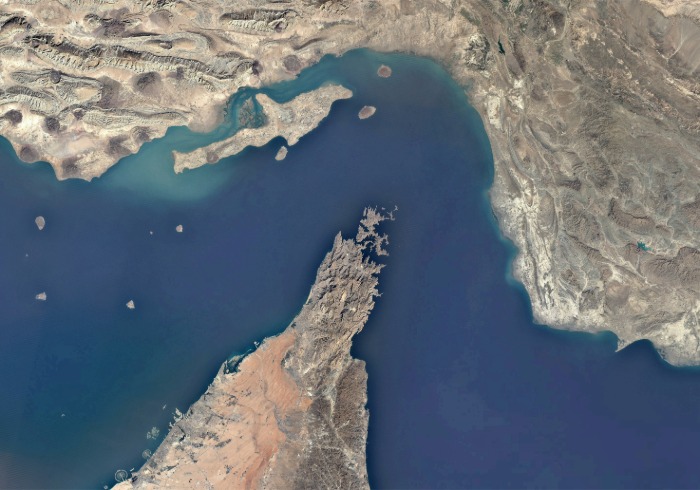
Global oil supply dropped by more than 9% in March due to restrictions on vessel traffic through the Strait of Hormuz and attacks on energy facilities in the Middle East, the IEA said in a report published today.
Loadings of crude, gas and refined products in the Gulf region dropped from more than 20 million barrels per day in February to an average of 3.8 million barrels per day by early April, the agency said.
It described the shock to supply as the market’s “largest disruption in history”, predicting that cumulative supply losses would total more than 360 million barrels in March and 440 million barrels in April.
In response to the crisis, oil inventories outside the Gulf have already been drawn down by more than 200 million barrels, the IEA found. Although some markets are seeking to build stocks, global observed oil inventories still fell by 85 million barrels in March.
The report added that demand for crude oil is already plummeting in the Middle East and Asia Pacific regions, particularly among producers of naphtha, LPG and jet fuel, and said demand destruction “will spread as scarcity and higher prices persist”.
The IEA said that even if the conflict is resolved and oil and gas deliveries resume by mid-2026, it expects the drop in oil demand to be the steepest since the Covid-19 pandemic.
If energy production and trade in the region remains disrupted for a prolonged period, it said “energy markets and economies around the world need to brace for significant disruptions in the months to come”.
The report followed a meeting on April 13 between the heads of the IEA, the International Monetary Fund (IMF) and the World Bank Group to discuss their institutions’ response to the crisis.
In a joint statement, the trio said the impact of the war “is substantial, global, and highly asymmetric, disproportionately affecting energy importers, in particular low-income countries”.
“The shock has led to higher oil, gas and fertiliser prices, triggering concerns about food security and job losses as well,” the statement said. “Some oil and gas producers in the Middle East have also seen a dramatic loss of export revenue.”
In the case of fuel and fertiliser prices, the three institutions said prices may remain elevated “for a prolonged period given the damage to infrastructure”.
The IMF issued a separate report today warning that a worsening of geopolitical tensions could push the world into “the largest energy crisis in modern times”.
It said that if the war remains limited in duration and intensity, global growth is projected to be 3.1% this year, a downward revision of 0.2%.
Though relatively modest at the global level, it said the impacts would be felt much more acutely in developing markets, as well as the Middle East itself.
“The toll on the conflict region and more vulnerable economies elsewhere – in particular, commodity-importing emerging market and developing economies with preexisting fragilities – is much more pronounced,” it said.
If there is more damage to energy infrastructure, the IMF said its growth forecast would be downgraded to just 2%, and could accelerate trade-related disputes over strategic goods such as rare earth elements.