
The US government has further eased sanctions on Russian oil exports as the Strait of Hormuz crisis squeezes global energy markets, a move that has caused alarm among EU officials and campaign groups.
A 30-day waiver issued by the US Department of Treasury has given importers permission to buy Russian-origin crude oil or petroleum products loaded onto vessels before March 12, even if the transactions involve sanctioned entities or tankers.
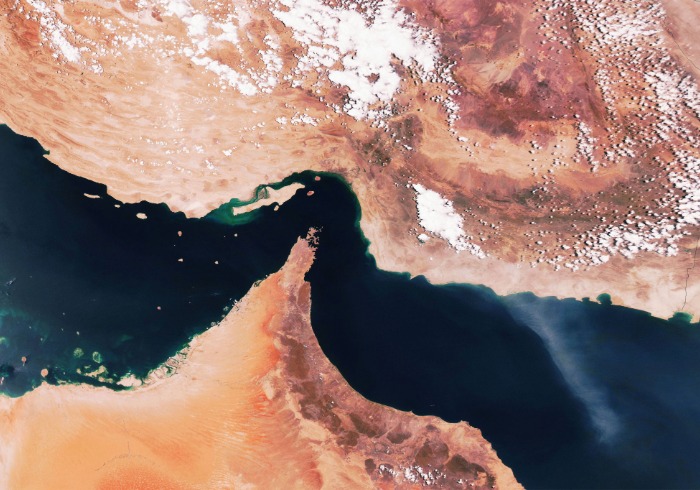
Treasury secretary Scott Bessent said the action would “promote stability in global energy markets” and lower prices, after Iran’s de-facto closure of the Strait of Hormuz sparked fears of a supply crisis from the Persian Gulf.
The move follows a waiver last week allowing Indian importers to purchase Russian oil, after such transactions were largely halted as part of a trade deal between the two nations. That marked a departure from other G7 markets, including the EU and UK, which have insisted sanctions should remain in place.
Energy market intelligence company Kpler estimated there are around 80 million barrels of Russian crude in transit as of March 13, of which 31 million are destined for India and 30 million for China.
Most of these cargoes had already been placed before the waiver was introduced, it said, with the decision apparently “designed to clear cargoes already at sea rather than stimulate fresh demand”.
The volume of Russian crude on the water has dropped by more than 20 million barrels since the start of March, with India emerging as the main export destination, analysis by Vortexa found.
A report by sanctions-focused law firm Ferrari & Associates said the most important trade routes for Russian oil include exports from Baltic ports to China, described as a “primary corridor” for vessels sanctioned by the US Office of Foreign Assets Control.
Other routes cited include exports from Black Sea ports to India, Turkey and other markets via ship-to-ship transfers. Generally, importers in Asia have been hardest hit by the drop in supply from the Middle East.
However, sanctions experts have said the India waiver was unlikely to encourage western banks and traders to return to the Russian oil market, not least because other G7 sanctions remain in place.
David Tannenbaum, director of Blackstone Compliance Services, also noted earlier this week the India waiver did not shield US entities from enforcement action under other US law, such as anti-money laundering or counter-terrorism legislation. Iran-origin oil is also not covered.
“The same caveats apply” to the latest action, he told GTR. “EU and UK sanctions are still in effect, and Americans are still liable under all other laws.”
The move has been widely criticised within the EU. European Council President António Costa issued a statement saying the “unilateral decision by the US to lift sanctions on Russian oil exports is very concerning, as it impacts European security”.
“Weakening sanctions increases Russian resources to wage the war of aggression against Ukraine,” he said.
German Chancellor Friedrich Merz said he believed the decision was “wrong”.
“There is currently a price problem, but not a supply problem,” he told reporters. “And in that regard, I would like to know what other factors led the US government to make this decision.”
Bessent’s statement denied the decision would harm peace efforts in Ukraine, saying it “will not provide significant financial benefit to the Russian government, which derives the majority of its energy revenue from taxes assessed at the point of extraction”.
But analysis by the Centre for Research on Energy and Clean Air (CREA), a research organisation that has long called for tougher sanctions on Russia, said the country’s export revenues are expected to “boom” in March.
In February, CREA said Russia’s revenue from crude oil and petroleum product exports rose 13% and 14% respectively, month-on-month, as rising energy prices mean discounts on exports “have nearly disappeared”.
“Tankers that were previously idling are now preparing to unload again at Indian ports,” the organisation said. “The longer the Iran conflict continues, the more Russia’s oil & gas earnings stand to benefit.”
CREA energy analyst Isaac Levi told GTR the Kremlin “stands to earn billions more in fossil fuel revenues that help finance its war” as buyers return to the Russian market.
“The current energy crisis shows exactly why the UK and EU must hold firm on energy sanctions against Russia,” he said. “Rather than weakening sanctions, this moment should reinforce the urgency of investing in clean energy and electrification.”