

The supply chain disruption caused by the conflict in the Middle East could contribute to an increase in trade finance needs among African countries, the International Finance Corporation (IFC)’s global director of trade and supply chain finance warned.
Nathalie Louat said the trade finance gap “may grow again because every time we go into a crisis mode, we expect energy prices to stay high, which impacts fertilisers and food”.
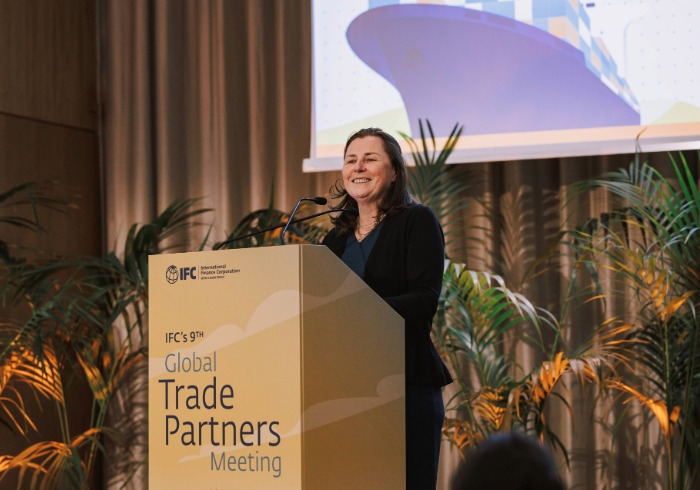
The already-growing demand for IFC’s facilities is expected to spike as “banks will not be able to accompany an increase in the oil price and the consequences we anticipate”, Louat told GTR on the sidelines of the organisation’s flagship Global Trade Partners Meeting in Lisbon.
At the same time, European banks facing tighter capital requirements due to Basel rules are “withdrawing from key markets in Africa”, contributing to less availability of trade finance, the IFC chief said.
As a result, small businesses in agriculture-heavy countries across Africa are set to bear the brunt of reduced access to capital, she added.
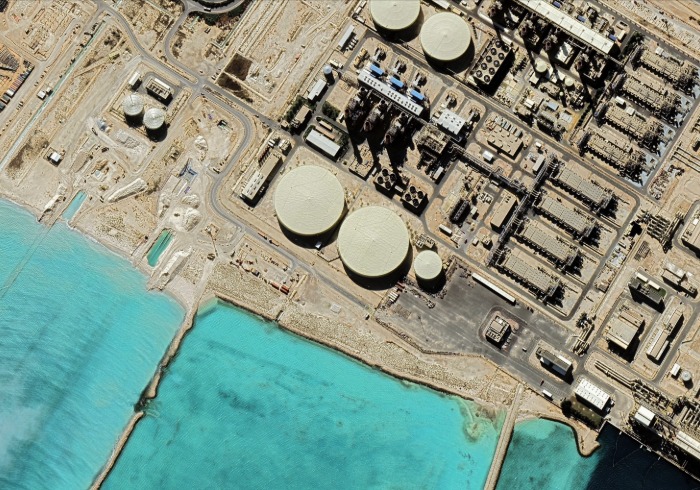
Intelligence advisory Pangea Risk said earlier this month that the near-halt to crucial commodity exports via the Strait of Hormuz was contributing to the return of inflation in African economies.
Last year, the IFC – part of the World Bank Group – announced it was increasing the limit of its supply chain finance programme from US$1bn to US$3bn, one of its most important tools to support SMEs in emerging markets.
Approximately 70% of the IFC’s supply chain finance support is currently going to SMEs, Louat said.
The multilateral also has a specific Africa trade and supply chain finance initiative, part of its Global Trade Finance Program (GTFP), with more flexible criteria that allows it to take more risk in local markets.
The initiative has helped drive a 78% increase in intra-regional trade over the last year, Louat said.
But as the US, Iran and Israel battle continues to upend global markets, the IFC trade head vowed to “keep our priority on the fragile countries, especially if there’s an energy crisis that can lead to worse outcomes in agri-production and food supply”.
“IFC has quite a big role to play, we can anticipate that, and we are going to put facilities in place, giving more room to the ones who are going to need it,” she said.
Alternative solutions
IFC is also looking into other solutions to close the growing gap between demand and supply of trade finance, including plans to develop more direct support for corporates, Louat said.
The lender has structured risk transfer deals with BNP Paribas and Crédit Agricole in recent years, an area it “plans to develop” amid rising demand from banks.
Meanwhile, the multilateral development institution is stepping up efforts to bring pension funds and other institutional investors into trade finance, as it looks to transform the asset class into a scalable capital markets product.
“There is a need to consider trade assets as an asset class that can be used for capital markets transactions,” Louat said. “We believe that there are other investors, such as pension funds, who are not doing trade at all and who would look at this as a new asset class to diversify their own investment activities.”
IFC moves to attract new capital partners also include a US$6bn credit insurance facility in partnership with 19 global insurance companies, announced earlier this year, that aims to unlock up to US$10bn in new lending to financial institutions for on-lending to small and medium-sized enterprises.