


Some African countries will face more acute fiscal pressure, and the risk of sovereign defaults will tick up, if the Strait of Hormuz stays closed for several more months, experts have said.
The US and Iran have made little progress on a deal to re-open the Strait even after the US-Israeli bombing campaign and Iran’s attacks on neighbouring countries have ebbed. Only a trickle of vessels is currently making the risky voyage in or out of the Persian Gulf.
The closure is exacerbating economic strain on some countries in Africa that rely on imports of fuel and fertilisers. Many nations were already struggling with steep debt servicing costs, triggered in some cases by greater borrowing during the last supply chain shock – the Covid-19 pandemic.
“Sovereign defaults are almost inevitable as result of the high oil prices brought about by the war,” said Adam Vulliamy, an underwriter for insurer Atrium.
“There are some large sovereign exposures in the market, and I think that is the most likely place that the war is going to have a negative impact,” he told GTR. “Certain African and Asian sovereigns, those with high import-dependence and signs of stress already apparent pre-war, seem most likely to default.”
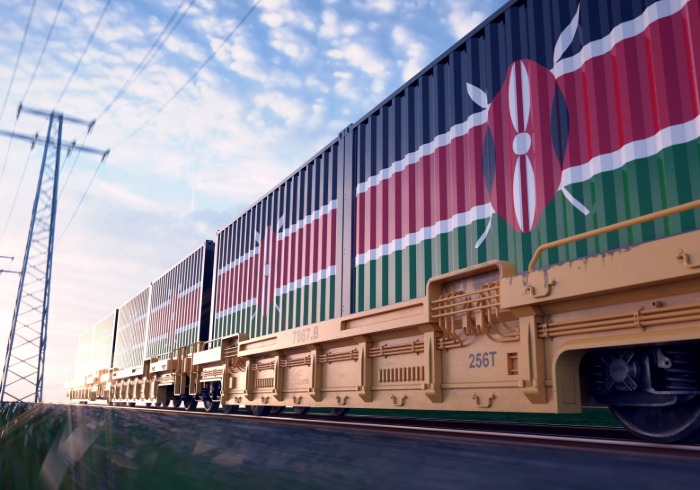
African governments already struggling with high sovereign debt loads before the Strait of Hormuz closed include Kenya, Malawi, Senegal and Zambia.
“For institutional investors, I think their concern stands well beyond just that high oil price, but more the impact that is going to have on fragile sovereign balance sheets,” said head of advisory at risk consultancy Pangea-Risk, Gabrielle Reid, at the GTR East Africa event this week.
Despite some progress in East Africa, Reid said a recovery from the Covid-19 pandemic had struggled to take hold in the region and “emerging markets enter this year with high debt obligations, limited fiscal space”.
“I think East Africa is certainly a region that faces really strong growth prospects, and there’s a very positive story here as well, but unfortunately, it is very much exposed to geopolitical vulnerabilities at present.”
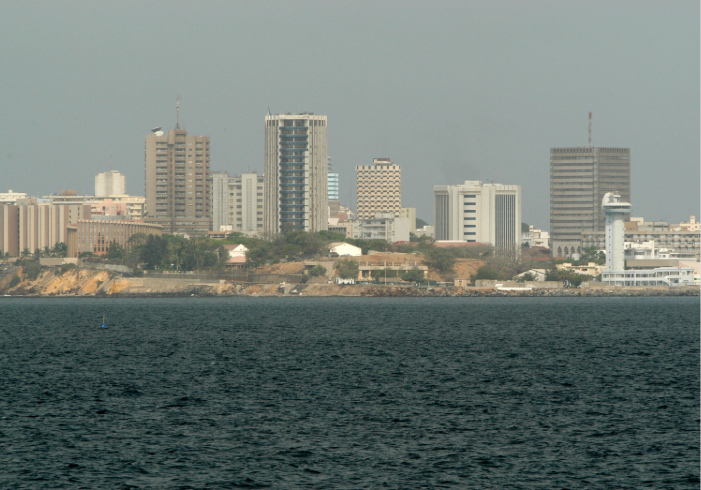
In West Africa, Senegal has been in a debt crisis since the reporting in 2024 of previously undisclosed obligations estimated at between US$7bn and US$13bn, which prompted the IMF to halt a programme then underway with the country.
Pangea-Risk said a sovereign default in Senegal within the next 12 months is “probable”, and noted increasing export credit agency and credit and political risk insurance exposure to the country because of large energy investments.
“The Gulf war has introduced additional volatility into the outlook,” Pangea-Risk founder and chief executive Robert Besseling told GTR. “While Senegal’s export revenues stand to benefit from higher global oil prices, this is likely to be outweighed by the rising cost of imports. Senegal’s fiscal crisis will continue to deepen due to the combination of an unsustainable debt burden and slowing economic growth increasingly strains government finances.”
Senegalese President Bassirou Diomaye Faye met with IMF chief Kristalina Georgieva this week to discuss renewed assistance the country is seeking from the global lender of last resort.
Last month, Citi’s chief economist reportedly said that, in addition to Senegal, Malawi and Mozambique could be likely candidates for default in 2027. Ghana, Ethiopia and Zambia all defaulted on some external debt in recent years.
Insurance market figures said most nations with large debt piles have the wherewithal to scrape through this year – as long as the Strait of Hormuz is re-opened relatively quickly, accompanied by a swift drop in oil prices and quicker flows of essential goods such as fertilisers.
“I don’t think anyone’s thinking at the moment that this crisis in the Middle East is going to lead to default in the next six months. I think [the crisis] would have to go on for longer,” said broker WTW’s regional director for Africa, Michael Creighton. “But yes, there’s going to be economic pressure on those countries.”
Top African oil producers, such as Nigeria, Angola and the Republic of the Congo, even stand to benefit from the sustained jump in oil prices since late February, when the US-Israeli war on Iran began.
However Sindiso Ndlovu, of African Trade and Investment Development Insurance, pointed out in many cases exports are already allocated to resource-backed loans from lenders and commodity traders. These deals typically lock in prices, meaning producers cannot take advantage of higher market prices.
“Even net oil exporters, some of them are finding themselves in the same situation as net oil importers,” Ndlovu, a senior political risk analyst, said in an interview. “There has not been much in terms of a direct benefit. Instead, it’s likely to drain fiscal resources.”
That is because if a country lacks domestic refining capacity, it still has to pay steeper global prices for imported oil-derived products such as petrol and jet fuel.
In Nigeria, the country’s first large-scale oil refinery – also Africa’s largest – began fully operating just weeks before the outbreak of the war in the Middle East, although it still relies on imported crude for part of its feedstock.
“I think the impact of refinery has been undervalued in this whole situation; If we didn’t have Dangote refinery, I think we’ve be in a real mess right now,” said Yinka Ogunnubi, president of the Association of Corporate Treasurers of Nigeria, at GTR West Africa in April.
Fitch said in a report last month that commercial banks in oil exporting nations such as Nigeria could benefit from higher foreign currency liquidity, due to lenders’ large exposures to oil and gas companies.
But the ratings agency warned that while the African banks it covers are typically well-capitalised, their credit is “often closely linked with those of their respective sovereigns” due to large holdings of government securities.
The connection means that any deterioration in sovereign debt profiles could also lead to higher funding costs for commercial financial institutions. But at the same time, Ndlovu said, there may greater need for short-term trade finance as the costs of imports soar.
Given local lenders’ limited capacity, multilateral banks such as the African Export-Import Bank will be needed, she said, but added there may be “decreased appetite” from international lenders during a time of crisis because past trade finance loans ended up forming part of protracted international debt talks in countries like Malawi and Zambia.
Additional reporting by Maria Gonçalves.